
Want a heads up when a new story drops? Subscribe here.
For years, the playbook for getting found online was simple: rank on Google. You created helpful content, optimized your keywords, built a few backlinks, and if you followed the rules, you had a shot at landing on page one. That visibility could drive real business—whether it was phone calls, form submissions, or foot traffic.
But in 2024, Google made a move that changed everything.
With the launch of its Search Generative Experience—often referred to as SGE—and the integration of AI Overviews at the top of many results pages, the future of traditional search engine optimization took a hard left turn.
Table of Contents
The New Search Landscape
Google no longer just indexes content and lists the best results. It now uses artificial intelligence to read and summarize web content in real time. The result is that users get what they are looking for directly from Google, without ever clicking on your site.
These summaries—called AI Overviews—now take up prime real estate at the top of the page. They answer questions, make recommendations, and often include content sourced from multiple websites. But here is the catch: the user often never sees where that information came from. Your content might be used to feed Google’s AI, but you will not necessarily get the traffic or the credit.
This shift has led to a rise in what marketers call zero-click searches. In simple terms, people are finding what they need without clicking through to any website. That includes yours.
The End of the Traditional SEO Model
If your business has been relying on SEO to generate leads or brand awareness, this change should be a wake-up call.
Blog content that used to rank well for key search phrases is now being outranked by Google itself. The same keywords that brought you traffic are now being intercepted by AI summaries. In many cases, users never get past the overview.
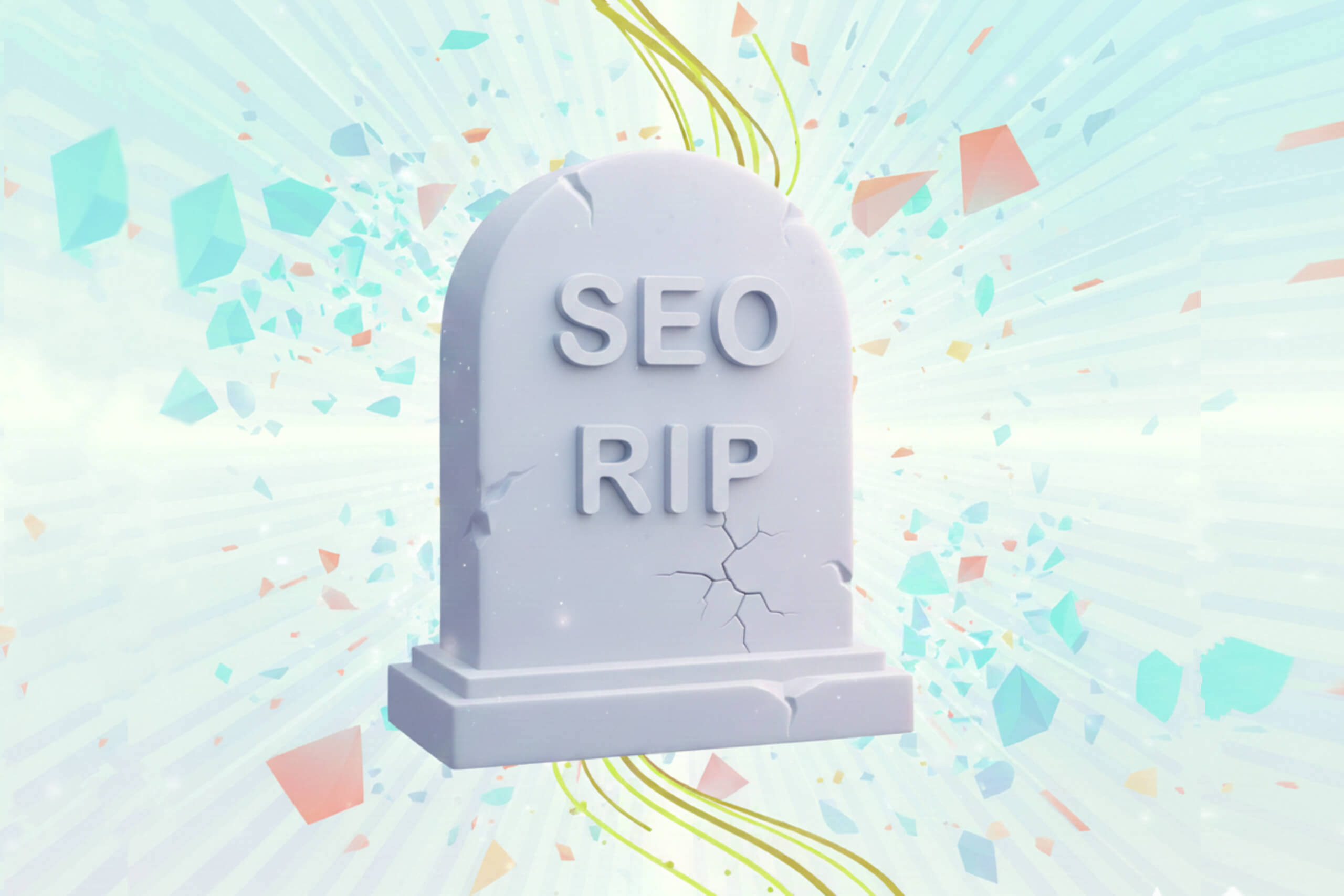
What we are seeing is the end of the old SEO model. The days of “publish a blog and wait for the clicks” are behind us.
Who Is Affected the Most?
Not all industries will feel the effects of this shift equally. Some will be hit harder than others.
If your business has relied on content marketing—especially for informational queries—you are in the hot seat. That includes:
- SaaS companies with knowledge-based blogs
- Affiliate marketers
- Online educators
- Coaches and consultants who rely on organic reach
- Service providers who rank for question-based search terms
- These types of businesses built their traffic on being the answer. But today, Google has become the answer.
Is Local Search Still Safe?
Local businesses are in a slightly better position—for now.
If someone searches for “best pizza near me” or “emergency plumber in Brooklyn,” they still need a real person or physical place to respond. That gives local service providers some breathing room. Your Google Business Profile still matters. So do your reviews, your location data, and your call-to-action buttons.
But even in local search, the rules are changing. Google is integrating direct booking features, call buttons, and appointment tools that let users engage without ever visiting your website. The platform is moving toward full-service experiences, not just referrals.
What Should Businesses Do Now?
First, do not panic. SEO is not disappearing overnight. But the way we approach it must evolve.
Here is how forward-thinking businesses can stay visible in this new era:
1. Focus on Platform Presence, Not Just Website Rankings
You need to be visible where people are making decisions, not just where they are searching. That means showing up in Google’s local map pack, on social platforms like YouTube and TikTok, and in review networks.
2. Build Trust and Authority
Google’s AI pulls from what it considers trusted sources. That means building a real brand with clear authorship, cited expertise, and signals of credibility. Think testimonials, media mentions, original insights, and recognizable thought leadership.
3. Invest in Formats AI Cannot Replace
Video, podcasts, and community engagement are difficult for AI to replicate or summarize without losing context. If you want to future-proof your content, invest in formats that are harder to scrape and simplify.
4. Own Your Audience
Do not rely entirely on search traffic. Build your email list, text list, private community, or newsletter. Direct relationships with your audience are more valuable than any ranking.
5. Optimize for the New Rules
Yes, your website still matters. It needs to load fast, be mobile-friendly, and include structured data. You still need to optimize for local intent if you have a physical location. But more than anything, you need to look at how your content is being used, not just how it ranks.
The Bottom Line
Is SEO dead? Not entirely. But the version of SEO that many businesses have been taught for the past decade is fading fast.
Google has made it clear that its priority is delivering fast, accurate, AI-powered answers. That means less traffic is coming your way by default. The businesses that adapt will survive. The ones that don’t may find themselves invisible in the places that matter most.
If you are unsure how these changes affect your business, now is the time to take action. Because waiting for your traffic to disappear is not a strategy.
Want Help?
We help businesses adapt their digital presence for the future of search. If you are wondering where you stand and what to do next, reach out for a no-obligation conversation about your SEO strategy.